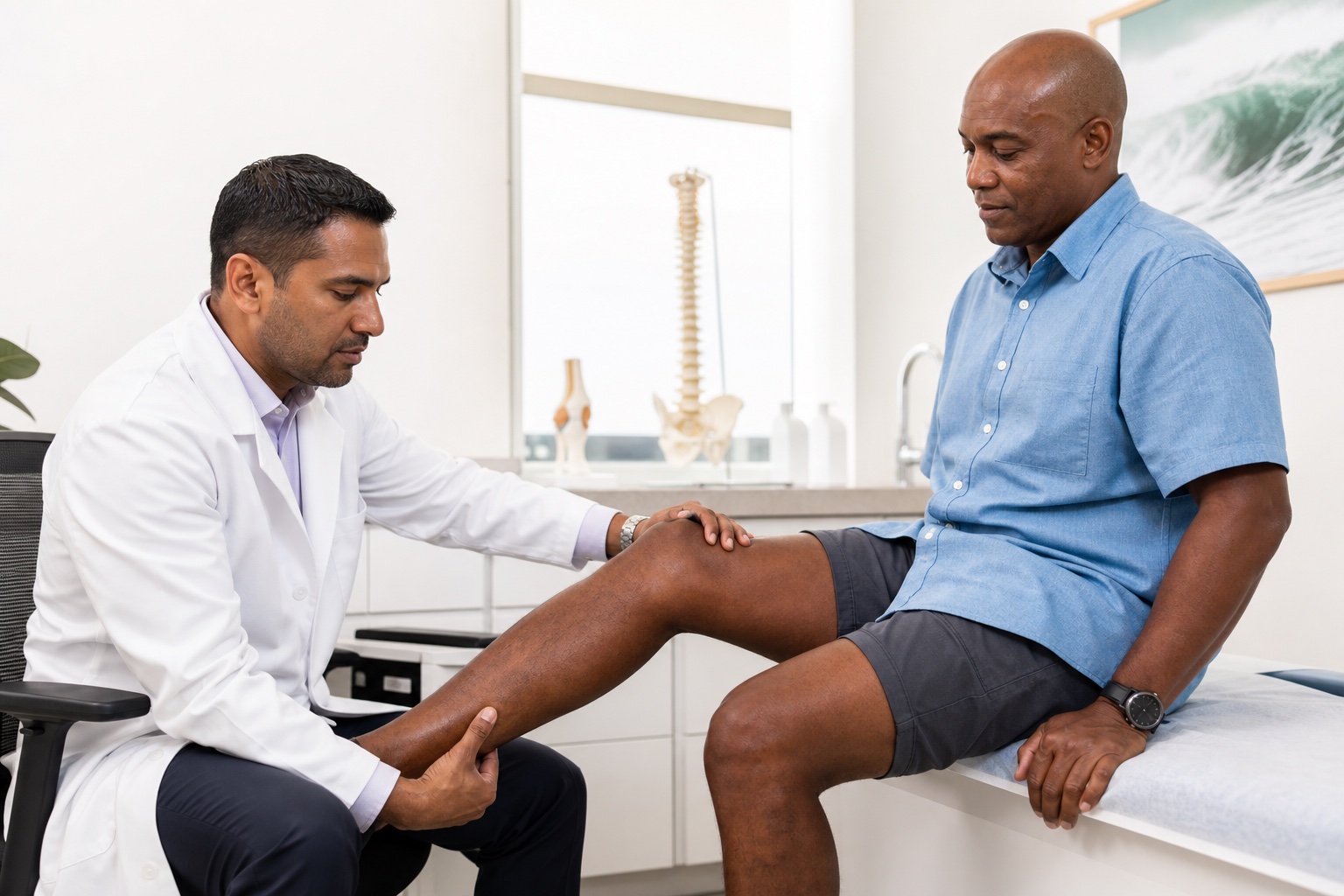
A painful knee on the stairs, stiff fingers in the morning, or a shoulder that no longer reaches the top shelf can make a simple question feel urgent: who is the best doctor for joint pain? The right answer depends on the pattern of your symptoms, how quickly they developed, whether there was an injury, and your overall health. You do not always need to begin with a specialist, but you should not ignore pain that is persistent, worsening, or affecting daily life.
Joint pain can arise from wear and tear, injury, inflammation, infection, nerve conditions, or medical problems that affect the whole body. A thoughtful evaluation helps identify the cause and guides you to the clinician most suited to treat it.
The Best Doctor for Joint Pain Depends on the Cause
There is no single specialist who is best for every type of joint pain. For many people, a primary care or family medicine physician is the most practical first step. This doctor can review your symptoms, medical history, medications, activity level, and any recent illness or injury. They can examine the joint, order initial blood work or imaging when appropriate, begin treatment for common conditions, and coordinate a referral if specialized care is needed.
Starting with primary care is especially helpful when the cause is unclear or when symptoms involve more than one joint. It can also prevent unnecessary delays between an initial consultation, diagnostic testing, and follow-up. A fixed doctor who knows your history can monitor whether treatment is working and recognize when your symptoms point to a more specific condition.
See an orthopedic doctor for injuries and structural problems
An orthopedic doctor focuses on the bones, joints, ligaments, tendons, muscles, and related structures. Orthopedic care is often appropriate after a fall, sports injury, twist, collision, or sudden movement that causes significant pain or loss of function. It is also commonly recommended for ongoing pain caused by osteoarthritis, torn cartilage, tendon injuries, joint instability, fractures, or problems that may require a procedure.
You may benefit from an orthopedic evaluation if one joint is the main problem, pain worsens with movement or weight-bearing, the joint feels unstable or catches, or you have not improved with rest and initial treatment. Orthopedic physicians may use X-rays, ultrasound, or other imaging to look for changes in the joint structure. Treatment is not automatically surgery. Depending on the diagnosis, it may include medication, bracing, targeted exercise, injections, activity modification, or referral for physical rehabilitation.
See a rheumatologist for inflammatory or multi-joint symptoms
A rheumatologist specializes in arthritis and autoimmune or inflammatory conditions that affect joints, muscles, and connective tissues. Consider rheumatology when pain and stiffness affect several joints, especially on both sides of the body, or when morning stiffness lasts longer than about 30 minutes.
Other signs that may point toward inflammatory disease include joints that are warm, swollen, or tender; symptoms that improve somewhat as you move; unexplained fatigue; recurring fevers; rashes; dry eyes or mouth; or a family history of autoimmune disease. Conditions such as rheumatoid arthritis, gout, lupus, psoriatic arthritis, and other inflammatory disorders require accurate diagnosis and ongoing monitoring. Early care can help control inflammation and protect joint function.
A rheumatology referral does not mean that you definitely have an autoimmune condition. It means your symptoms deserve a closer look, often with a detailed examination and carefully selected laboratory testing.
Consider a sports medicine or physical medicine physician for movement-related pain
Some joint pain is strongly connected to how you work, exercise, sit, lift, or move. Sports medicine physicians and physical medicine and rehabilitation specialists can help patients with overuse injuries, repetitive strain, running injuries, back-related pain that spreads to the hip or leg, and pain that limits return to activity.
These clinicians often focus on restoring movement while reducing the risk of another injury. Their approach may include a treatment plan that combines medication, guided rehabilitation, injections when appropriate, and changes to training or workplace habits. This can be valuable for active adults, workers with physically demanding jobs, and anyone whose pain returns when they resume normal routines.
When Joint Pain Needs Urgent Medical Attention
Most joint pain can be assessed through a scheduled appointment, but certain symptoms should be evaluated urgently. Do not wait for a routine specialist visit if you have severe pain after a major injury, cannot bear weight, see a visible deformity, or have numbness, weakness, or a cold or pale limb.
A hot, red, rapidly swelling joint accompanied by fever or feeling unwell also requires prompt medical assessment. A joint infection can damage tissue quickly and needs timely treatment. Seek urgent care as well for sudden severe pain and swelling, particularly if you have a history of gout, immune suppression, recent surgery, or an artificial joint.
What to Expect at Your First Appointment
The quality of the first assessment often matters more than trying to choose a specialist based on a title alone. A good clinician will ask when the pain began, where it is located, what makes it better or worse, whether there is swelling or stiffness, and how symptoms affect sleep, work, walking, and daily tasks.
They will also consider medical factors that may seem unrelated. Recent infections, skin conditions, tick exposure, new medications, digestive symptoms, kidney disease, diabetes, and a family history of arthritis can all provide useful clues. Be prepared to describe whether your pain began suddenly or gradually and whether it started after a specific event.
Bring a list of medications and supplements, prior imaging reports if available, and notes about previous injuries or surgeries. If swelling comes and goes, a dated photo can be useful. You do not need to arrive with a diagnosis. Clear details about your symptoms are more helpful than guessing the condition.
Tests Can Help, but They Are Only Part of the Answer
X-rays are often used to check for fractures, alignment issues, and changes linked to arthritis. Ultrasound can help assess soft tissues and fluid around a joint, while other imaging may be considered when the examination suggests a tendon, ligament, cartilage, or deeper joint problem.
Blood and urine tests may be useful when a doctor suspects inflammation, infection, gout, autoimmune disease, or another medical contributor. However, a test result should always be interpreted alongside your symptoms and physical examination. Imaging findings do not always explain pain, and normal tests do not mean that symptoms are not real.
For patients managing a chronic condition, coordinated care can make the process easier. At Central Medical Centre, primary care, specialist consultations, diagnostic services, laboratory testing, imaging, and pharmacy support can be arranged in one location, helping reduce the inconvenience of visiting multiple providers for each stage of care.
How to Choose the Right Doctor for Ongoing Joint Pain
Look for a physician who listens carefully, explains the likely causes in clear language, and gives you a plan for both relief and follow-up. Credentials and specialty training matter, but so does continuity. Joint conditions may change over time, and treatment often needs adjustment based on your response, activity goals, and other health needs.
Ask practical questions during your appointment: What is the most likely cause of my pain? Are there warning signs I should watch for? Which tests are necessary now? What can I safely do for pain and movement? When should I return if I am not improving? A clear answer to these questions can help you make informed decisions without feeling rushed.
The best next step is an appointment with a qualified physician who can assess your specific symptoms and direct you to the right care. Early evaluation can bring reassurance when the problem is minor and timely treatment when your joints need more specialized attention.