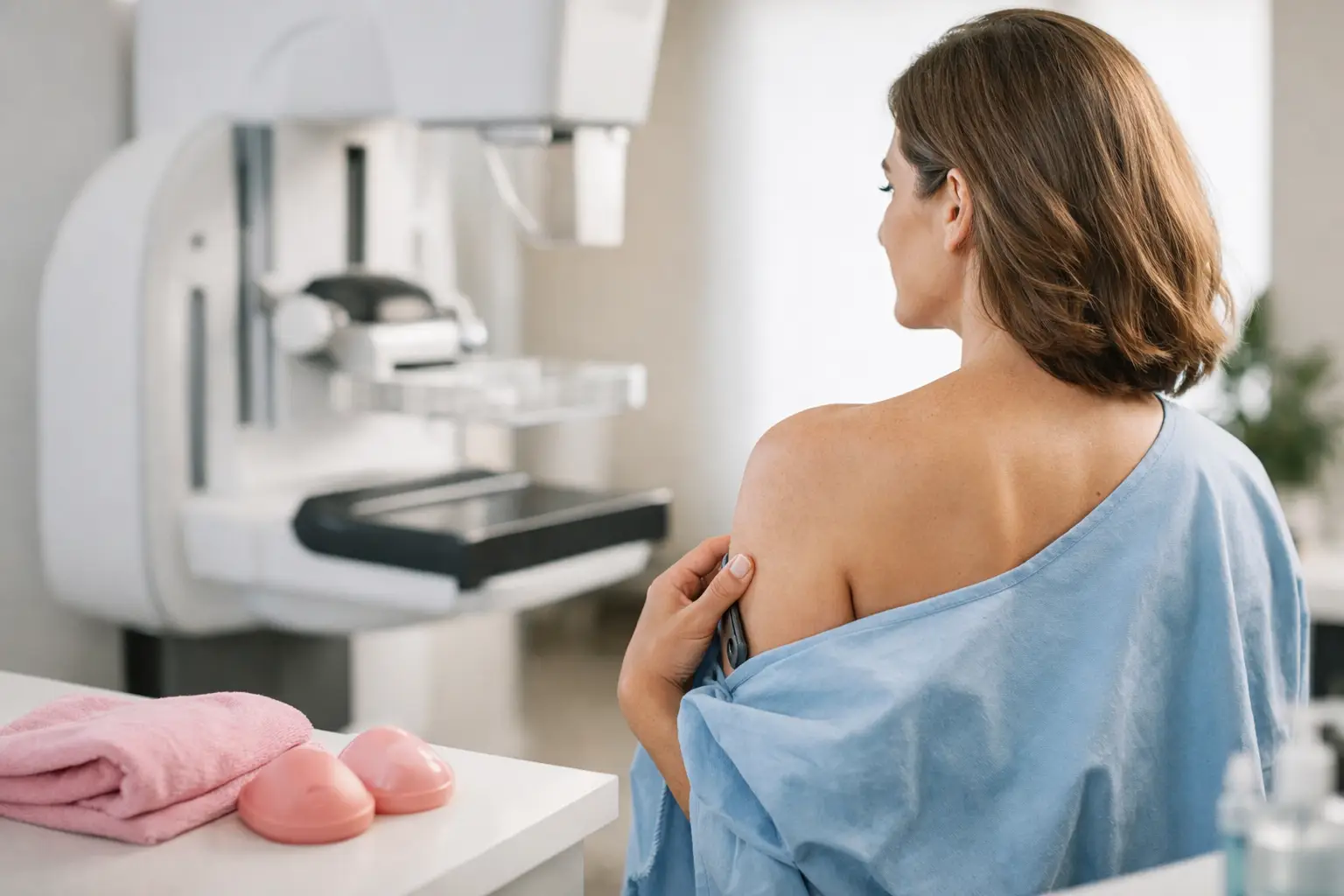
If you have a mammogram coming up, the part that often causes the most stress is not the scan itself - it is the uncertainty beforehand. Knowing how to prepare for mammogram appointments can make the visit feel more manageable, more comfortable, and much less intimidating.
A mammogram is a low-dose X-ray of the breast used to screen for breast cancer or evaluate a symptom such as a lump, pain, nipple discharge, or skin changes. For many women, preparation is straightforward. Still, a few small choices about timing, clothing, and personal care products can make a real difference in how smoothly the appointment goes.
How to prepare for mammogram before the appointment
The first step is to confirm why you are having the mammogram. A routine screening mammogram is different from a diagnostic mammogram ordered because of a symptom or a previous abnormal result. If you are going in for a diagnostic exam, your imaging team may need more details about your symptoms, prior breast procedures, or the exact location of discomfort.
When booking, mention anything that could affect the exam. That includes breast implants, prior breast surgery, current breastfeeding, pregnancy, or a possibility of pregnancy. Mammograms can still be appropriate in many situations, but the imaging team needs that information in advance so they can plan your care safely and accurately.
If you have had mammograms at another facility, ask whether those images should be sent over before your appointment. Comparing current images with older ones often helps the radiologist interpret small changes more accurately. This is especially useful if it is not your first mammogram.
Timing matters too. If you still get menstrual periods and your breasts tend to be tender before your cycle, try scheduling the exam for the week after your period starts. Many women find their breasts are less sensitive then. If your schedule does not allow that, it does not mean the mammogram will be ineffective - it simply may be a little less comfortable.
What not to wear or use on mammogram day
One of the most practical parts of how to prepare for mammogram visits is knowing what to avoid on the day of the test. Do not apply deodorant, antiperspirant, lotion, powder, cream, or perfume on your underarms or breasts before the appointment. Some of these products can contain particles that show up on the images and make interpretation harder.
It is best to wear a two-piece outfit, such as a top with pants or a skirt, rather than a dress or jumpsuit. You will need to undress from the waist up, so separate pieces make the process easier and more comfortable.
Avoid necklaces or clothing with metal around the chest area if possible. You will likely be asked to remove them anyway. The goal is simple - reduce anything that could interfere with the images or slow down the exam.
If you are sensitive to pressure or have had a painful mammogram before, tell the staff when you arrive. They can often guide positioning more gently, explain each step as it happens, and help you feel more at ease. A good imaging experience is not only about technology. It is also about communication.
What to bring with you
Bring a photo ID, your insurance information if applicable, and any referral or order from your doctor if your imaging center requires one. If this is your first visit to a facility, allow a little extra time for paperwork.
It also helps to bring key breast health information, especially if it is not already in your medical record. That may include the date of your last mammogram, any history of breast biopsies or surgery, a family history of breast or ovarian cancer, and a list of current symptoms if you are being evaluated for a problem.
If you have noticed a lump, pain in one area, nipple discharge, or skin changes, be ready to describe exactly where and when it started. Specific information helps the technologist and radiologist focus on the right area.
What happens during the mammogram
Many patients feel better once they know what the appointment will actually involve. After check-in, you will be asked to change into a gown and remove clothing and accessories from the waist up. A technologist will position one breast at a time on the mammogram machine.
The breast is then compressed between two plates for a few seconds while images are taken. Compression is necessary because it spreads the breast tissue so the images are clearer and the radiation dose stays as low as possible. It can feel uncomfortable, and for some women briefly painful, but it usually lasts only a short time.
Most screening mammograms take about 20 to 30 minutes from start to finish, though the actual imaging portion is shorter. If extra views are needed, your visit may take a little longer. A diagnostic mammogram may also include additional images or a breast ultrasound, depending on the reason for the exam.
If you are worried about discomfort, try to avoid tensing your shoulders and chest. Slow breathing helps. It is also reasonable to ask the technologist to tell you before each compression so you are not caught off guard.
Common concerns about how to prepare for mammogram exams
A frequent question is whether you should take pain medicine beforehand. It depends. Some women who know they are sensitive to compression choose to take an over-the-counter pain reliever about an hour before the appointment, if it is safe for them to do so. Others do not need anything at all. If you have medical conditions, allergies, kidney problems, stomach ulcers, or take blood thinners, check with your doctor before taking medication.
Another concern is whether having a mammogram while breastfeeding is allowed. In many cases, yes. However, breast tissue can be denser during breastfeeding, which may affect image quality. You may be advised to breastfeed or pump shortly before the exam to improve comfort and help with imaging. If you are pregnant or think you might be, always mention it before the test.
Some women wonder if implants prevent mammograms. They do not, but special views may be needed. Tell the imaging center ahead of time so they can schedule enough time and ensure the team is prepared.
If this is your first mammogram, you may also worry about getting called back. A callback does not automatically mean cancer. It often means the radiologist wants a closer look at an area, especially when there are no older images for comparison. Additional imaging is fairly common and can be part of a careful, thorough process.
After the appointment
After your mammogram, you can usually return to normal activities right away. There is no recovery time. If your breasts feel mildly sore, that generally fades quickly.
Ask when and how you will receive your results. Some centers provide preliminary information sooner than others, but final interpretation usually comes from the radiologist. If you do not hear back within the expected time frame, follow up rather than assume no news means everything is normal.
If your report recommends additional imaging, try not to panic. Follow-up tests are meant to clarify what was seen, not to jump to conclusions. The next step may be a diagnostic mammogram, ultrasound, or less commonly, another type of breast imaging.
At a one-stop outpatient facility such as Central Medical Center, coordinated care can make this process easier. When imaging, consultation, and follow-up happen within the same setting, patients often spend less time navigating separate providers and more time getting clear answers.
A few final ways to make the day easier
Try not to schedule your mammogram at a time when you will be rushed. A little extra time lowers stress. Eat and drink normally unless your doctor has given different instructions.
If you tend to get anxious during medical visits, say so. Patients are often surprised by how much easier an exam feels when the team explains what is happening and checks in throughout the process. Good preparation is not only about what you wear or avoid. It is also about giving yourself room to ask questions and receive care with confidence.
A mammogram is a short appointment, but it supports something much bigger - staying informed about your breast health and acting early when needed. When you know how to prepare, the experience becomes less about worry and more about taking a practical step for your future.